How to Get Into a Locked Car Trunk Without Causing Damage
Finding yourself stranded with keys locked inside the car trunk can feel like a genuine emergency. The cargo area is designed to be secure, which works against you when the keys are sitting in there and the trunk latch refuses to budge. Many drivers panic and reach for a coat hanger or a screwdriver, but that approach often damages the vehicle and still fails to open the trunk. Understanding the correct methods and knowing when to call for professional trunk lockout service can save you time, money, and a lot of frustration.
This article walks through the steps you can take if you ever face this situation. It covers what to try on your own, what tools actually work, and when it makes sense to stop DIY attempts and call a mobile locksmith. The goal is to help you regain access to your vehicle without causing damage.
Check the Interior Release First
Before you grab any tools, check whether your car has an interior trunk release. Most modern vehicles include a lever or handle inside the passenger compartment, usually located in the glove box, on the driver's side floor, or near the center console. In some cars, the release is a small button labeled with a trunk icon. In others, it is a mechanical lever that you pull. If the keys are locked in the trunk, the interior release is the easiest and fastest way to open it.
What to watch for: Some vehicles require the ignition to be in the "on" position or the key fob to be within range for an electronic release to work. If your key fob is in the trunk, the electronic release may not function. In that case, look for a mechanical override. Many cars include a physical keyhole on the trunk lid or near the license plate that works independently of the electronic system. If you have a spare key, that is the moment to use it.
Fold Down the Rear Seat
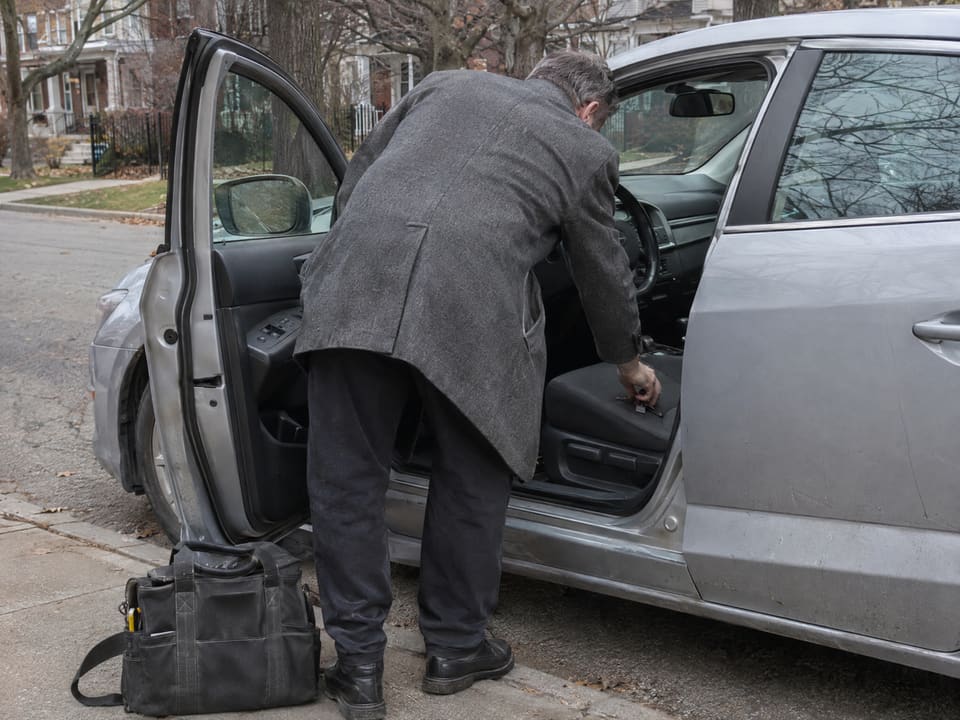
If the interior release does not work, the next step is to check whether your car has a fold-down rear seat. A large number of sedans and hatchbacks have a pass-through from the cabin into the trunk. Usually a latch or release handle on top of the seatback lets you fold it forward. Once the seat is down, you may be able to reach into the cargo area and grab the keys or manually trigger the trunk latch from inside.
What to watch for: Not all cars have this feature, and some that do require you to release the seat from inside the trunk, which does not help if the trunk is already locked. If you cannot fold the seat from the cabin, you may need to look for a small release tab on the seatback itself. In some vehicles, you can also pull the seat forward far enough to create a gap that allows you to pass a long object through. Be careful not to force anything, as seat mechanisms can break.
Use a Long Rod or a Tool Designed for Vehicle Access
If the interior options are exhausted, you might consider using a thin, rigid tool to manipulate the trunk latch from outside. Professional locksmiths and roadside assistance providers often use a long metal rod with a hooked end, sometimes called a lockout tool or a slim jim. You slide the tool between the weatherstripping and the glass of a rear window or door, then guide it toward the trunk release mechanism. This technique requires a good understanding of the vehicle's latch design and some practice.
What to watch for: Using the wrong tool or applying too much force can damage the weatherstripping, scratch the paint, or break the latch. If you are not experienced, it is easy to bend the metal rod inside the door cavity, making the situation worse. This method works best on cars with a mechanical cable or rod that runs from the interior release to the trunk latch. On many newer models, the latch is electronic and cannot be triggered by a rod alone. If you try this approach, work slowly and stop if you feel resistance.
Use the Key Fob's Hidden Range Trick
Some drivers do not realize that a key fob can sometimes open the trunk even when the keys are inside the cargo area, provided the fob is close enough to the receiver. In certain vehicles, the trunk latch sensor is located near the back of the car, and if the keys are sitting right against the inside of the trunk lid, pressing the trunk button on the fob might still work. You can try pressing the button while standing next to the trunk, or even while holding the fob against the rear window or trunk lid.
What to watch for: This only works with passive keyless entry systems that do not require the fob to be inside the cabin. Many modern cars have a fob that enters a sleep mode after a period of inactivity, which prevents the signal from reaching the receiver. Also, if the trunk is completely closed and the keys are deep inside, the signal may be blocked by metal or other obstacles. It is worth trying for a few seconds, but do not spend too long on it if nothing happens.
Call a Professional Trunk Lockout Service
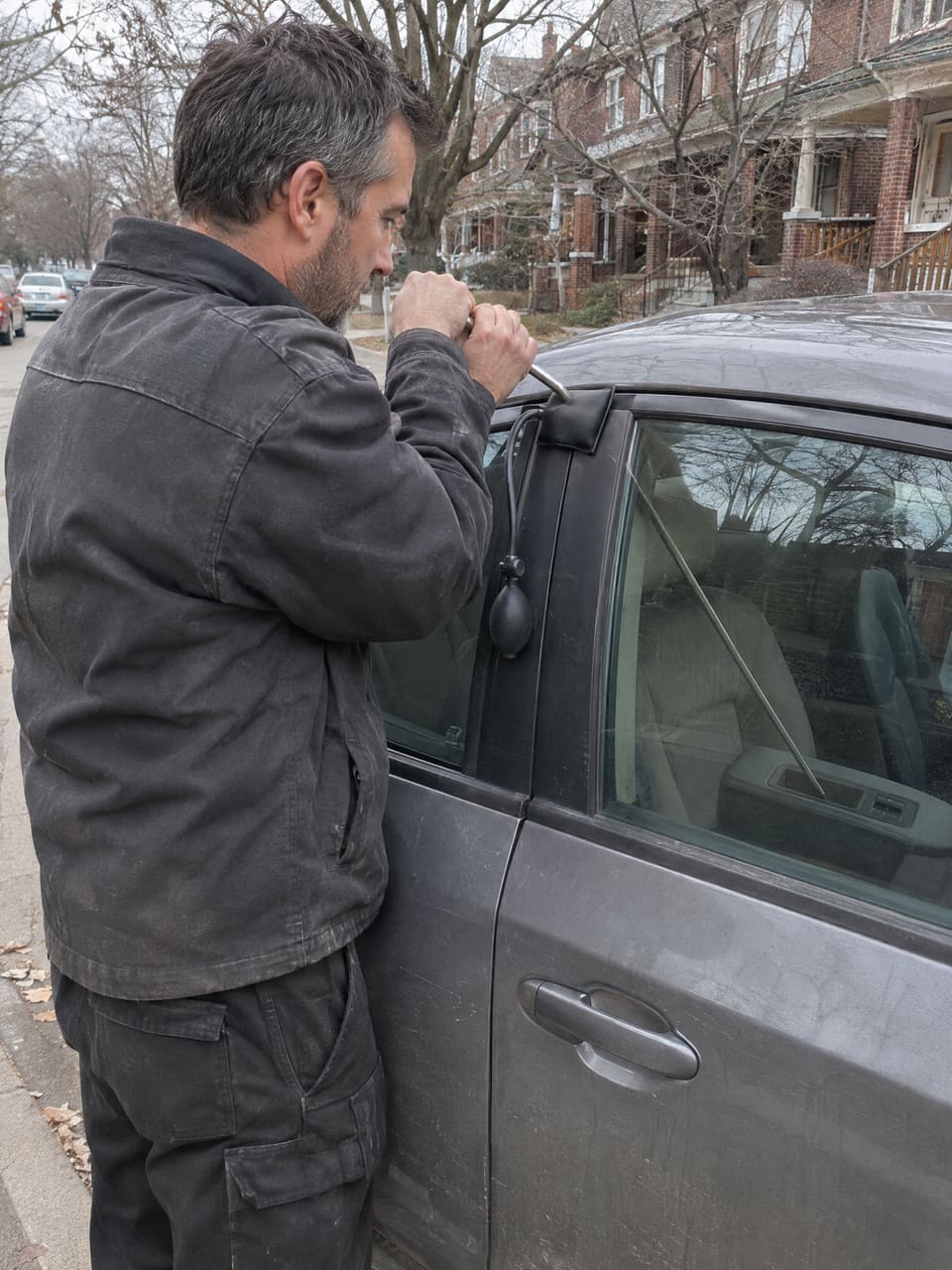
When all DIY attempts fail, the smartest move is to call a mobile car locksmith who specializes in trunk lockout service. These professionals carry specialized tools that can open a locked trunk without damaging the vehicle. They are trained to work on all makes and models, and they can usually reach you within a short time. A good locksmith can also handle situations where the keys are out of sight or the trunk latch is electronic and requires diagnostic equipment.
What to watch for: When you call, be ready to provide proof of ownership. The locksmith will ask for your driver's license, vehicle registration, or both. This is a standard security measure to prevent unauthorized access to vehicles. Also, be clear about where the keys are. If they are actually inside the trunk, tell the locksmith that. If they are locked in the cabin, the approach is different. Some services offer a flat rate for standard lockouts, but prices vary, so ask for a quote before they arrive.
Avoid Common Mistakes
Many drivers make the same errors when they find themselves locked out. The first is using a coat hanger or a piece of wire to fish for the trunk release from outside. This rarely works and often damages the window seal or the latch itself. Another common mistake is trying to pry the trunk open with a crowbar or a flathead screwdriver. That can bend the metal, crack the paint, and ruin the weatherstripping, leading to expensive repairs. A third mistake is ignoring the interior release or the rear seat fold-down, assuming neither is present. Check your owner's manual or look for a small button or lever you may have overlooked. Finally, do not leave the keys in the trunk while the engine is running or the car is in gear. That adds an entirely new layer of danger.
When to Ask for Help Opening a Locked Trunk
If you have tried the interior release, the rear seat pass-through, and a long rod without success, it is time to ask for help opening a locked trunk. Continuing to force the latch or using improvised tools increases the chance of damaging the vehicle. A professional locksmith can resolve the problem quickly and often without any lasting harm to the car. Even if you are in a hurry, taking a few extra minutes to call for help is cheaper than repairing a broken trunk mechanism or a scratched door panel.
Some drivers hesitate to call a locksmith because they think the cost will be too high. But consider the alternative: damaging the trunk latch or the body of the car can cost several hundred dollars to fix. A trunk lockout service is usually far more affordable, and the peace of mind that comes with knowing the job is done right is worth it. Plus, many mobile locksmiths offer 24/7 service, so you are not stuck waiting until morning.
Prevention Tips for the Future
After you have regained access to your trunk, take a few steps to avoid repeating the experience. Keep a spare key fob or a physical key in your wallet or purse, not in the car. If your vehicle has a mechanical trunk release, memorize its location so you can find it quickly in a stressful moment. Some drivers store a spare key in a magnetic box attached to the underside of the car, but that is risky because thieves know those hiding spots. A better option is to give a spare key to a family member or a friend who can bring it to you in an emergency.
Also, get to know your vehicle's lockout features. Some cars have a setting that prevents the trunk from being opened with the interior release if the keys are detected inside the trunk. That feature is designed to prevent accidental lockouts, but it can also foil ordinary opening attempts. Understanding how your car's system works will help you know which steps to try first and when to call for help opening a locked trunk. With a little advance planning, you can turn a frustrating experience into a minor inconvenience.